Damage Assessment After Hurricane Impact
Storm & Disaster Restoration in Tallahassee with expert guidance for insurance claim holders navigating policy coverage and hurricane deductibles
Hurricane season in North Florida brings more than wind and rain—it brings insurance paperwork, adjuster appointments, and the stress of distinguishing between urgent roof stabilization and work that can wait. MDS Restoration, Inc. specializes in post-hurricane damage assessment and roof restoration for claim holders across Tallahassee and the panhandle, working directly with the realities of insurance policies and hurricane deductibles that many homeowners don't fully understand until they're filing a claim. The process starts with validating what your policy actually covers, ensuring you have complete clarity on your coverage before repairs begin.
Storm restoration isn't just about repairing visible damage—it's about documenting everything correctly so the insurance adjuster's report matches the scope of work required to bring your roof back to code-compliant condition. MDS Restoration coordinates directly with adjusters, prioritizes urgent stabilization to prevent further interior damage from leaks, and structures the repair timeline around both weather windows and claim approval processes. Recent state insurance law changes have reduced restoration volume, but they've also tightened the requirements for what qualifies as approved work, making it critical that the contractor you hire understands policy structures and claim holder needs.
Request an initial damage assessment to document storm impact and begin the insurance coordination process.
How Storm Restoration Addresses Hurricane Damage
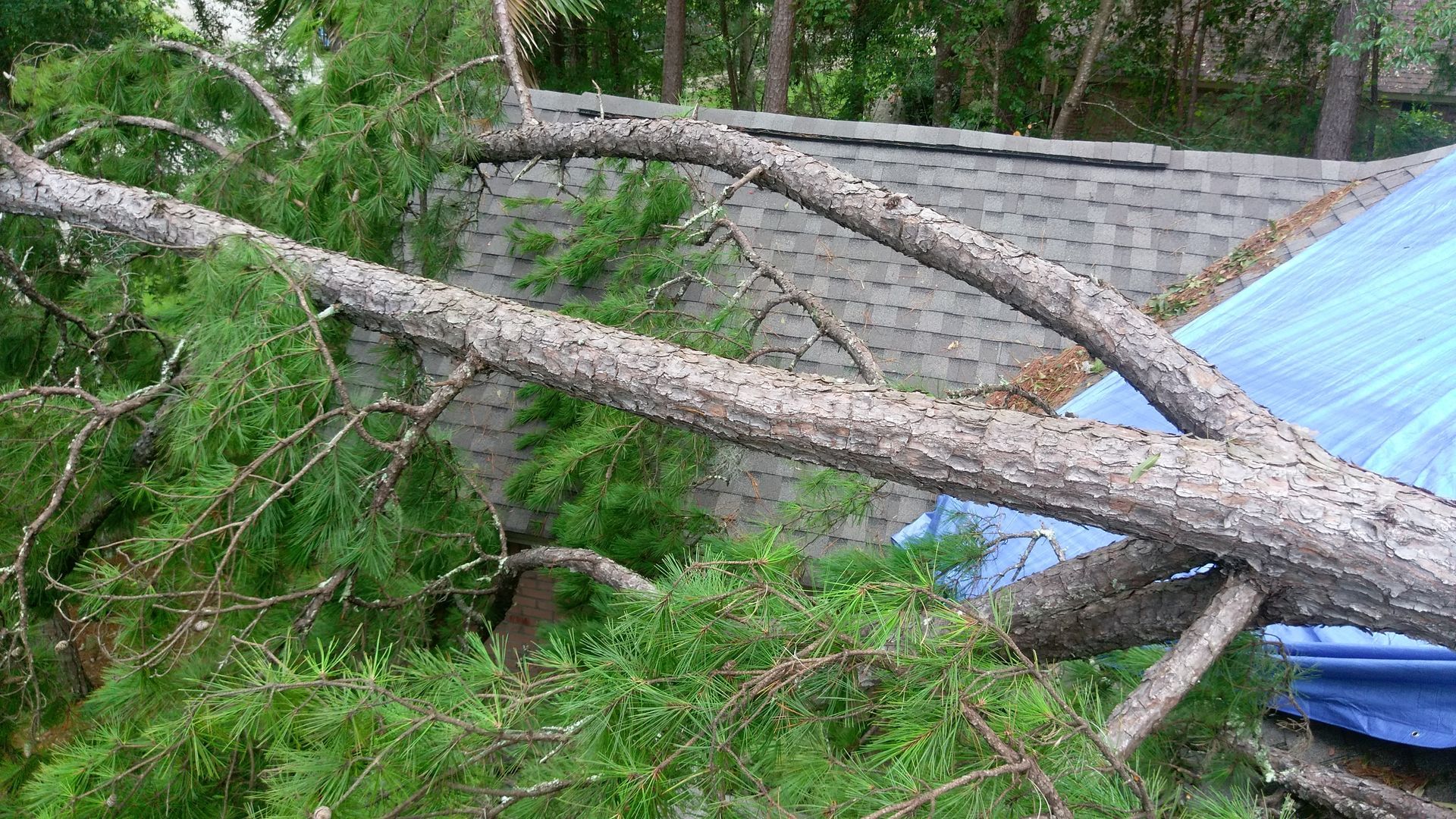
The restoration process begins with a structural assessment that identifies not just obvious damage like missing shingles or torn flashing, but also hidden issues such as fastener pullout, deck delamination, or compromised underlayment that won't show up until the next rain. This documentation becomes the foundation for the insurance claim, and it must be thorough enough to justify the scope of work to an adjuster trained to minimize payout amounts. Once the claim is approved, urgent repairs happen first—tarping open sections, securing loose materials, stopping active leaks—while the full restoration waits for material delivery and weather conditions that allow proper installation.
After restoration completes, your roof will shed water without the ponding or channeling that leads to interior stains, and you won't see lifted edges or loose flashing that signal incomplete fastening. The most important change, though, is that your home is brought back into compliance with Florida Building Code, which means the next storm is far less likely to cause the same failure points. You'll also have documentation that satisfies your insurance company's requirements for completed work, which closes the claim and prevents disputes over whether repairs were finished to standard.
Storm restoration work across the Pensacola to Jacksonville corridor varies based on proximity to the coast, with salt-air exposure accelerating corrosion on fasteners and flashing in ways that inland properties don't experience. MDS Restoration accounts for these regional differences when selecting materials and fastening methods, because a roof installed fifteen miles from the Gulf requires different corrosion resistance than one installed in Tallahassee's inland climate. Hurricane deductibles also vary by policy and storm category, so the financial side of restoration depends on understanding exactly what your deductible percentage applies to and whether it's calculated per storm or per year.
Answers to Frequent Storm Restoration Questions
Storm damage brings immediate questions about timelines, costs, and what insurance will actually cover. These answers focus on the factors that affect how quickly restoration can happen and what to expect during the claim process.
How soon can you assess damage after a hurricane passes?
Initial assessments typically happen within 24 to 48 hours after conditions are safe for roof access, though demand spikes after major storms mean you may wait longer if the entire region sustained widespread damage. Early assessment matters because it documents the damage before secondary issues like water intrusion or mold complicate the claim.
What's the difference between emergency stabilization and full restoration?
Emergency stabilization stops immediate threats—tarping holes, securing loose materials, preventing further water entry—while full restoration replaces damaged sections and brings the roof back to code-compliant condition. Stabilization happens first to protect your home while you wait for claim approval and material delivery.
Why do hurricane deductibles affect my out-of-pocket costs so much?
Hurricane deductibles are usually percentage-based rather than flat amounts, meaning you pay a percentage of your home's insured value before insurance covers the rest. On a policy with a two percent hurricane deductible and a three hundred thousand dollar insured value, you're responsible for the first six thousand dollars of repairs regardless of the total claim amount.
How do you assist with the insurance claim process after storm damage?
We guide you through policy review, damage documentation, and adjuster coordination from start to finish. Clarifying your specific policy terms, deductibles, and coverage limits before work begins ensures there are no surprises when the project starts.
How do you coordinate with insurance adjusters during the claim process?
The contractor provides documentation and damage assessment to support the claim, meets with the adjuster during their inspection to point out all damage including hidden issues, and structures the repair scope based on what the adjuster approves. Clear coordination prevents disputes over whether work was necessary or completed to standard.
MDS Restoration, Inc. built its storm restoration process around the realities of North Florida hurricane seasons and the insurance claim structures that determine what homeowners actually pay. Arrange a post-storm consultation to document damage and begin coordinating with your insurance provider.