Cladding That Survives Coastal Climate
Siding & Exterior Updates in Tallahassee for homes with aging exterior materials and salt-air exposure concerns
Older neighborhoods throughout Tallahassee hold homes with siding installed decades ago, long before current material standards addressed the humidity, UV exposure, and occasional salt air that accelerate deterioration across North Florida. MDS Restoration, Inc. provides siding and exterior cladding updates for residential properties where the original materials are splitting, fading, or holding moisture in ways that threaten the structure underneath. The decision to update isn't always about appearance—it's often about stopping rot progression, improving energy efficiency where gaps have opened, or replacing materials that simply weren't designed for the coastal climate conditions that extend inland from the Gulf.
A full exterior assessment identifies not just visible damage but also underlying issues such as sheathing rot, insulation gaps, or fastener corrosion that developed behind the old siding. Material selection for the replacement considers local climate factors: how the siding handles moisture, whether it resists UV degradation without constant repainting, and how it performs during the windstorms that hit the region each summer. MDS Restoration manages the permit process in-house with a licensed contractor crew, which eliminates the costly mistakes and delays that occur when unlicensed operators treat permitting as optional or handle it incorrectly.
Schedule an exterior assessment to identify deterioration patterns and review material options suited to North Florida conditions.
What You Notice Once Siding Is Finished
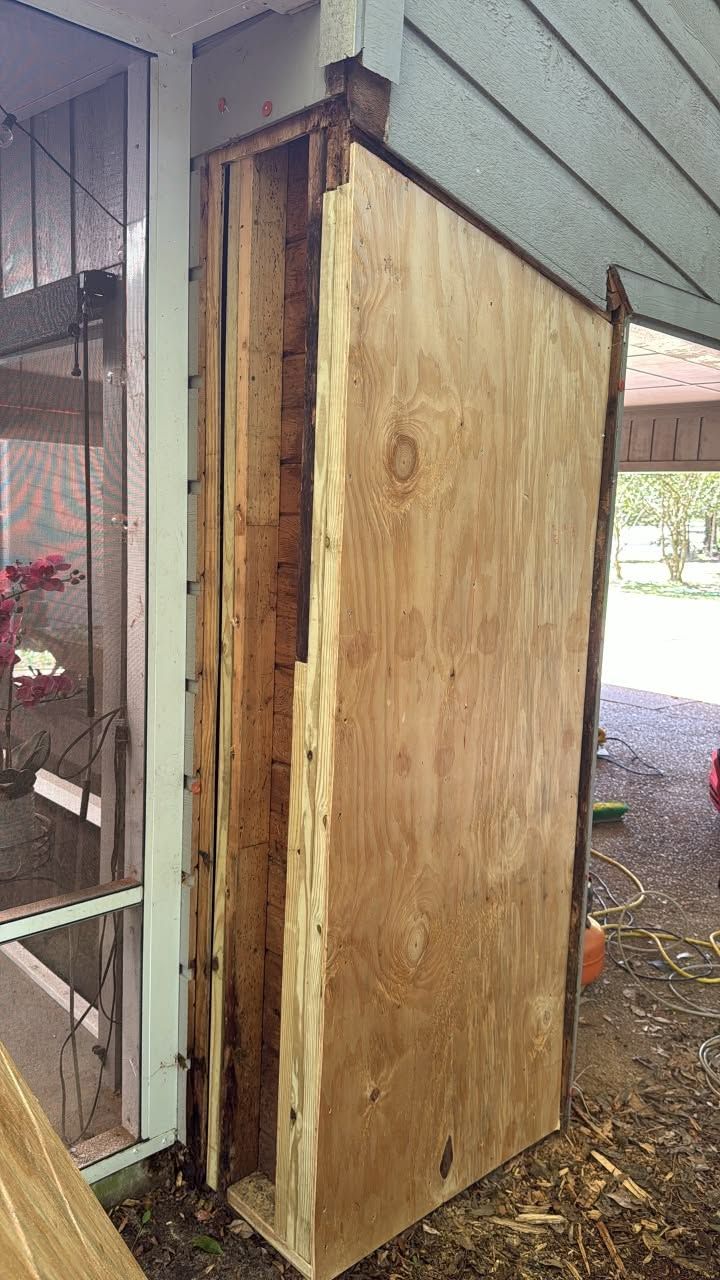
The update process involves more than stripping off old siding and nailing up new panels. The crew inspects the sheathing layer for rot or water damage, addresses any structural issues before new cladding goes on, and installs moisture barriers that weren't standard when many Tallahassee homes were originally built. Fastening patterns follow manufacturer specifications to resist wind uplift, and seams are detailed to shed water rather than channeling it behind the siding where it causes hidden damage.
After installation, your home's exterior will sit flat and uniform without the warping or buckling that signals moisture intrusion or improper fastening. You'll notice that temperature swings inside the home become less extreme because the new cladding and moisture barriers reduce air infiltration through gaps that opened as the old siding aged. During heavy rains, water runs off the surface instead of finding its way behind panels through failed caulking or deteriorated seams, which means you avoid the interior staining and mold growth that develop when moisture reaches the sheathing.
Siding projects in the Panama City to Jacksonville service zone must account for varying exposure levels, since homes closer to the coast face more aggressive salt-air corrosion than properties further inland. The timeline for exterior updates depends on the size of the home, the extent of sheathing repair required, and weather conditions that allow materials to be installed properly. Realistic communication about these factors prevents the frustration that comes when projects stretch beyond overly optimistic initial estimates.
Common Questions About Siding Updates
Property owners considering exterior cladding updates usually want to understand material differences, project duration, and what the work includes beyond just the visible siding layer. These answers focus on the decisions and considerations that affect how the project unfolds.
What material performs best in Tallahassee's climate?
Fiber cement and engineered wood products resist moisture and UV degradation better than traditional wood siding, while vinyl remains a lower-cost option that performs well if properly fastened and detailed. The choice depends on your budget, maintenance preferences, and how long you plan to stay in the home.
How much does siding replacement cost compared to repair?
Full replacement typically costs three to five times more than spot repairs, but repairs only make sense if the underlying siding is structurally sound and the damage is localized. When deterioration is widespread or the existing material is nearing the end of its lifespan, replacement avoids the cycle of ongoing repair costs.
Why does sheathing inspection matter during a siding update?
The sheathing layer behind your siding may have rotted from years of moisture intrusion, and installing new siding over compromised sheathing just hides the problem until it worsens. Addressing sheathing issues during the siding project costs less than discovering them later when the damage has spread to framing members.
What's included in a siding project beyond the panels themselves?
Complete installations include moisture barriers, flashing around windows and doors, corner trim, and fastening that meets wind-rating requirements. Projects that skip these components to reduce costs often fail prematurely because water finds its way behind the siding or wind lifts panels that weren't secured properly.
How long does exterior siding installation take for a typical home?
Most single-story homes in Tallahassee take one to two weeks from start to finish, while two-story homes or properties requiring extensive sheathing repair take longer. Weather delays are common during summer storm season, so the timeline should account for rain interruptions rather than assuming continuous work days.
MDS Restoration, Inc. structures siding projects around the specific challenges of North Florida's climate and the realities of older home stock that requires more than surface-level updates. Request a consultation to evaluate your current exterior condition and discuss material options that match your home's exposure and your maintenance preferences.