Roofs Built to Survive Hurricane Season
Roof Replacements in Tallahassee for homes requiring wind-rated installations and hurricane code compliance
MDS Restoration, Inc. handles full roof replacements for residential properties across Tallahassee and the North Florida panhandle, focusing on installations that meet Florida's hurricane season wind-rating requirements. If your home was built before recent code updates, your existing roof likely doesn't meet current enforcement standards for hurricane zones, which means a replacement isn't just about worn shingles—it's about bringing the entire structure into compliance with upgrade paths now required for older homes. You'll notice the difference not just in material quality but in how the roof is secured to resist wind uplift during storms.
The replacement process begins with permit coordination handled in-house by a licensed roofing crew, which means you avoid the delays and errors common when permits are treated as an afterthought. MDS Restoration also provides complete guidance through the insurance claim process, ensuring policy coverage details, deductibles, and required documentation are clear before work begins—understanding your specific policy terms changes how the project is structured and what you'll pay out of pocket. The timeline is built around realistic expectations, not optimistic guesses, because Florida weather and inspector availability don't follow ideal schedules.
Schedule a property evaluation to assess your current roof's compliance status and discuss wind-rated material options.
What Proper Roof Replacement Requires
A legitimate roof replacement in Florida's hurricane corridor involves more than tearing off old shingles and nailing down new ones. The deck underneath gets inspected for rot or structural weakness, fastening patterns follow wind-rating specifications tied to your specific wind zone, and underlayment selection depends on whether your roof pitch and exposure require enhanced water barriers. Permit approval confirms that the installation meets Florida Building Code, which has tightened considerably after recent hurricane seasons revealed how many older roofs failed at the fastening layer rather than the shingle layer.
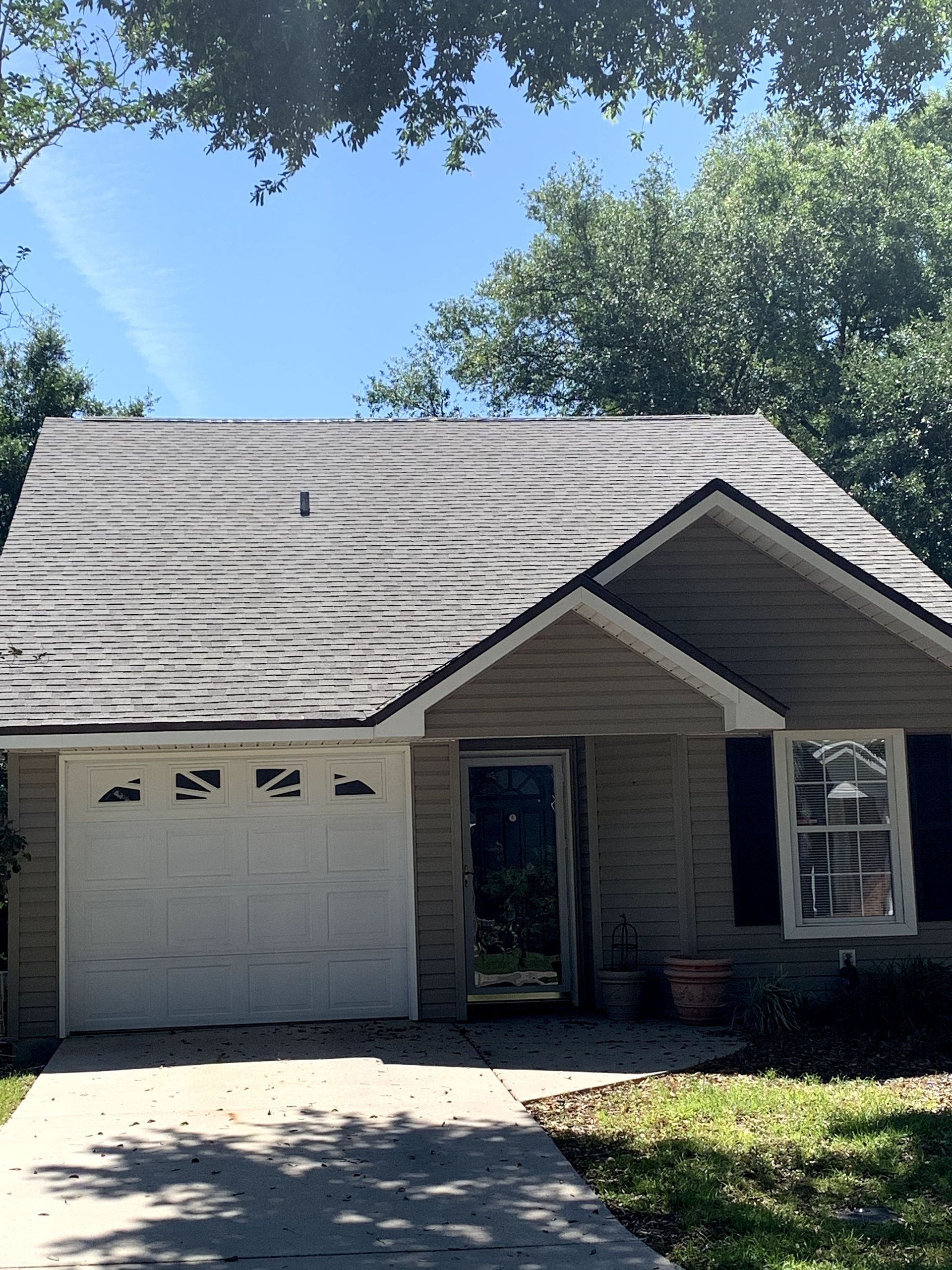
Once the work finishes, you'll see a roof that sits flatter and more uniform because proper fastening eliminates the rippling and lifting that develops when shingles aren't secured to code. During the next windstorm, you won't hear the same rattling or see edges peeling back, and your insurance claim history stays clear because wind-rated installations are far less likely to sustain damage that triggers a claim. The difference becomes obvious during hurricane season when neighbors with older or improperly installed roofs are filing claims while your roof remains intact.
MDS Restoration operates its own licensed crews rather than subcontracting labor, which means accountability remains with one team from start to finish. The permit process, which used to delay projects when handled by unlicensed operators, now runs through an in-house system developed after two years of compliance work to obtain Florida contractor licensing. Project timelines account for inspection schedules and material lead times, so you're not left waiting on a half-finished roof when weather or supply issues arise.
What Homeowners Ask Before Replacing a Roof
Roof replacement projects bring up similar concerns for most property owners in North Florida, particularly around insurance coordination, timeline expectations, and what the work actually includes. These answers address the factors that affect how the project unfolds and what you'll experience during installation.
What should I expect when filing an insurance claim for my roof?
We assist with every stage of the claim—from initial damage assessment and documentation to reviewing policy payouts and navigating potential claim denials under Florida's insurance laws.
How long does a roof replacement take from permit to completion?
Most residential replacements in Tallahassee take one to three days for the physical installation once permits are approved, but permit approval and inspection scheduling add time on both ends. Weather delays are common during summer storm season, so realistic timelines account for rain interruptions and inspector availability rather than best-case scenarios.
What does wind-rated installation mean for my roof?
Wind-rated roofs use fastening patterns and materials tested to resist specific wind speeds based on your home's location within Florida's wind zones. The fasteners are placed closer together, underlayment is sealed more thoroughly, and edge details are reinforced to prevent the uplift that causes roof failures during hurricanes.
Why do older homes require upgrade paths during roof replacement?
Florida code now requires that homes built under older standards incorporate specific upgrades during roof replacement, such as improved fastening, enhanced underlayment, or structural reinforcement. These aren't optional—they're part of the permit approval process and must be completed for the inspection to pass.
What happens if it rains during the installation?
Crew scheduling accounts for weather forecasts, and if rain arrives unexpectedly, tarps and temporary coverings protect exposed areas until conditions allow work to resume. The timeline shifts rather than rushing through wet conditions, because moisture trapped under new roofing leads to rot and mold that costs far more to fix than a one-day delay.
MDS Restoration, Inc. structures each roof replacement around the specific requirements of North Florida's hurricane zone and the realities of insurance claim coordination. Request a consultation to review your policy type and discuss the upgrade path required for your home's age and location.