Installations That Pass Hurricane Zone Inspections
New Build Roofing Services in Tallahassee for residential construction projects requiring Florida Building Code compliance
New construction in Florida's hurricane zone isn't governed by the same roofing standards that applied when many existing homes were built—current code mandates wind-rated installations, specific fastening patterns, and enhanced underlayment that older structures never required. MDS Restoration, Inc. provides complete roofing installation for new residential construction projects across Tallahassee and the North Florida panhandle, we work directly with you to coordinate timelines and ensure that roof systems meet Florida Building Code requirements from the first nail. If you're building in a jurisdiction that enforces hurricane zone standards, the roof installation must demonstrate compliance through material selection, fastening density, and installation methods that survive inspector review, not just look acceptable from the ground.
The installation process follows wind-rating specifications tied to your home's location within Florida's designated wind zones, which means fastening patterns are tighter and edge details are reinforced beyond what standard residential roofing requires in calmer climates. MDS Restoration manages the permitting process and coordinates inspections with local building departments, eliminating the delays and failed inspections that occur when roofing contractors unfamiliar with Florida code attempt installations that don't meet enforcement standards. The timeline integrates with the general contractor's schedule so framing, roofing, and subsequent trades progress without gaps that leave the structure exposed to weather.
Request a project consultation to discuss wind-rating requirements and coordinate roofing installation within your construction timeline.
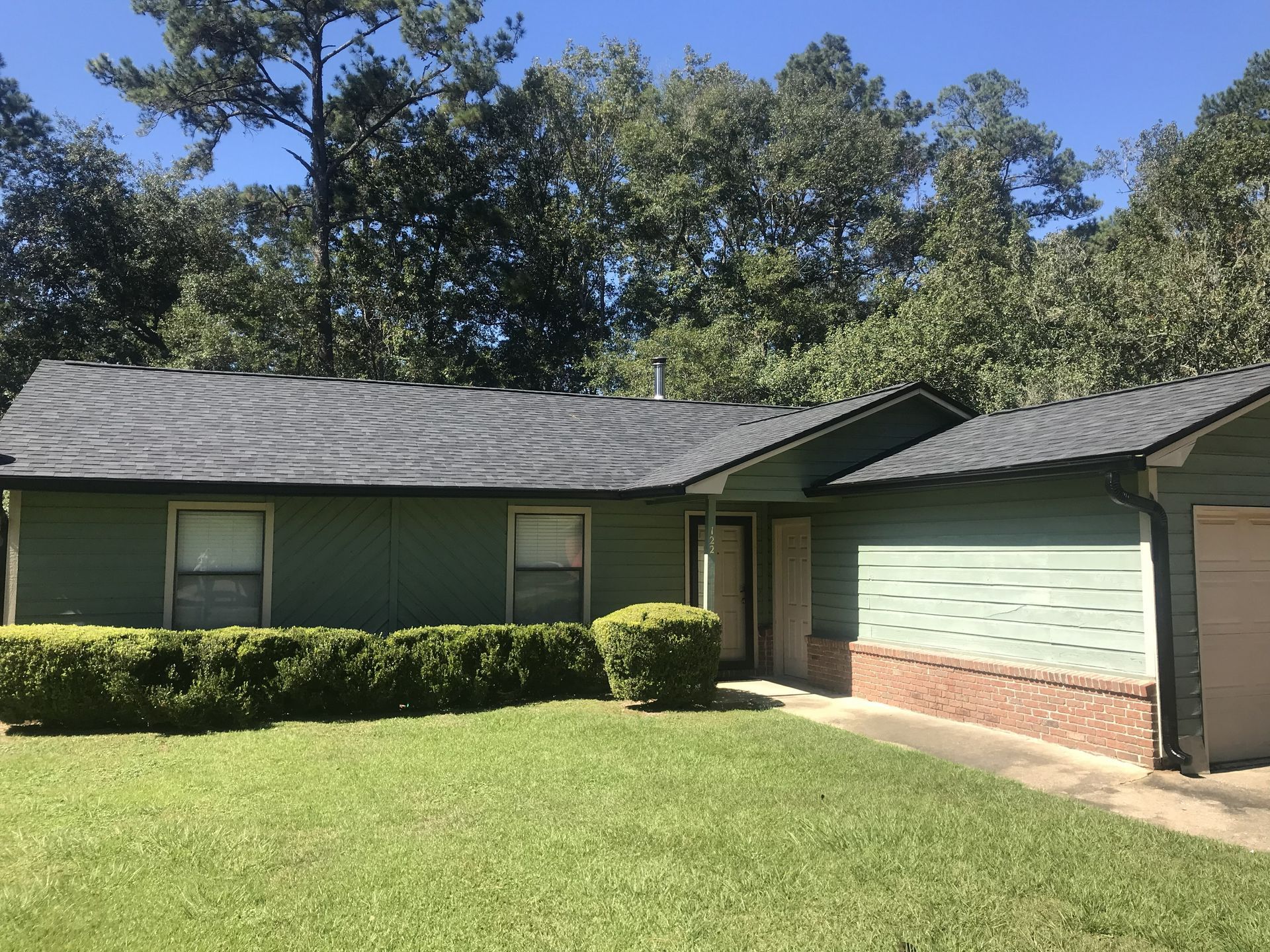
Why Wind-Rated Installation Works for Hurricane Zones
Wind-rated roofing systems are tested to resist specific wind speeds based on your property's location, and the installation must replicate the conditions under which those tests were conducted. Fasteners are placed closer together than standard residential patterns, underlayment is sealed at overlaps to prevent water intrusion if shingles lift, and starter courses at edges receive additional securing to resist the uplift forces that peel roofs back from the perimeter during high winds. Each of these details is subject to inspection, and installations that shortcut the requirements fail review and must be corrected before the project can proceed.
Once the roof is completed and passes final inspection, your home will have a system designed to remain intact during the wind events that cause failures on older or improperly installed roofs. You won't see edge lifting during summer storms, and fasteners won't back out over time because they were driven to the correct depth and spacing from the start. The most important outcome, though, is that your home meets code requirements that protect not just the structure but also your ability to insure the property at reasonable rates, since insurers increasingly differentiate premiums based on whether new construction meets current wind-rating standards.
New build projects in the Tallahassee to Jacksonville corridor involve coordination with multiple inspectors and jurisdictions, each with slight variations in how they interpret Florida Building Code. MDS Restoration operates a licensed contractor crew with in-house permitting capability, which means familiarity with local enforcement patterns across the I-10 corridor and the ability to address inspector questions without delays. Builder relationships matter in new construction roofing because missed timelines affect every subsequent trade, and contractors who understand the coordination requirements prevent the bottlenecks that extend project schedules.
Questions Before Starting Your Project
New construction roofing raises questions about code compliance, material selection, and how the roofing timeline integrates with the overall build schedule. These answers focus on the requirements and coordination points that affect whether installation proceeds smoothly or creates project delays.
What does wind-rated installation add to the cost of a new build roof?
Wind-rated systems typically add ten to twenty percent to material and labor costs compared to standard residential roofing, primarily due to increased fastener density and enhanced underlayment requirements. The cost is non-negotiable in Florida's hurricane zones because code compliance is mandatory for permit approval and final inspection.
How long does new construction roofing take from start to inspection approval in Tallahassee?
Physical installation on most single-family homes takes two to four days, but inspection scheduling adds time on the back end since inspectors must verify that fastening patterns and material installation meet code before the project can proceed. Weather delays during summer months are common and must be accounted for in the timeline.
Why does the general contractor need to coordinate closely with the roofing contractor?
Roofing can't begin until framing passes inspection and sheathing is installed, and subsequent trades can't start until the roof is weather-tight and passed inspection. Poor coordination leaves the structure exposed to rain damage or creates gaps in the schedule where trades sit idle waiting for the roof to finish.
What happens if the roof fails inspection?
The contractor must correct the deficiencies—whether incorrect fastening patterns, missing flashing details, or underlayment issues—and schedule a re-inspection before the project can proceed. These delays cascade through the construction schedule, so getting the installation right the first time prevents costly downtime.
How do wind zones affect what materials can be used on my new build?
Florida assigns wind zones based on proximity to the coast and local wind speed data, and each zone has minimum wind-rating requirements for roofing materials. Your property's specific zone determines which shingle ratings, fastening methods, and underlayment products are acceptable, and the inspector will verify that installed materials match the approved plans.
MDS Restoration, Inc. brings Florida Building Code expertise and coordination experience to new construction roofing projects across the North Florida panhandle. Schedule a planning session to review wind-rating requirements for your build location and integrate roofing installation into your project timeline.